
Alberta Looking to Open its iGaming Market
Lawmakers in Alberta are looking to join Ontario and open their market to private online gambling operators with the introduction this week of Bill 48: the iGaming Alberta Act (the Bill).
Bill 48: iGaming Alberta Act
Bill 48 was introduced to Alberta’s Legislative Assembly on Wednesday by Dale Nally, Minister of Service Alberta and Red Tape Reduction.
If passed, it will establish iGaming Alberta Corporation, a Crown corporation tasked with licensing, compliance, and market oversight. iGaming Alberta will be a subsidiary of the Alberta Gaming, Liquor, and Cannabis Commission (AGLC). The province will collaborate with private operators through a revenue-sharing agreement, though specific tax rates remain undisclosed.
AGLC CEO Kandice Machado highlighted the balance between innovation and accountability, noting, “we’re designing a system that balances competition with accountability.”
Debate persists over the open-market framework, with critics arguing it could prioritise corporate interests over public health. However, proponents, including industry leaders, assert that the model will attract major international operators like DraftKings, bet365 and BetMGM, fostering a competitive and innovative marketplace.
Economic Drivers and Market Opportunity
Alberta’s online gaming market is currently estimated to be worth around $500 million annually, with much of this activity occurring through offshore platforms beyond provincial oversight. By opening and regulating the sector, Alberta will capture increased tax revenue to fund public services.
Finance Minister Nate Horner emphasised the dual goals of the legislation, stating, “This is about bringing an existing market into the light… ensuring Albertans are protected while generating revenue for vital programs.”
The ‘open-operator model’ proposed under the Bill will allow private gaming companies to partner with the government under the supervision of iGaming Alberta. This hybrid approach contrasts with monopolistic models in provinces like British Columbia and mirrors elements of Ontario’s system, which saw $1.6 billion in wagers processed within six months of its launch.
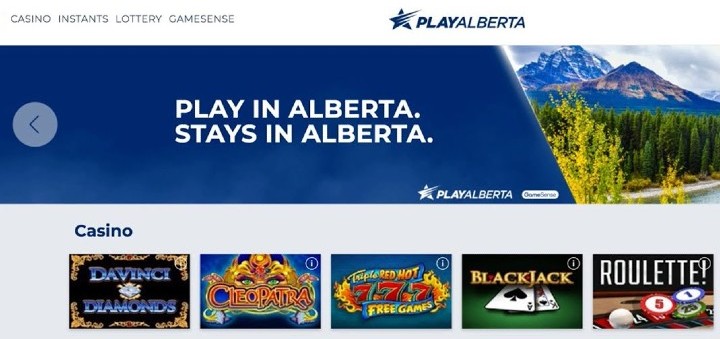
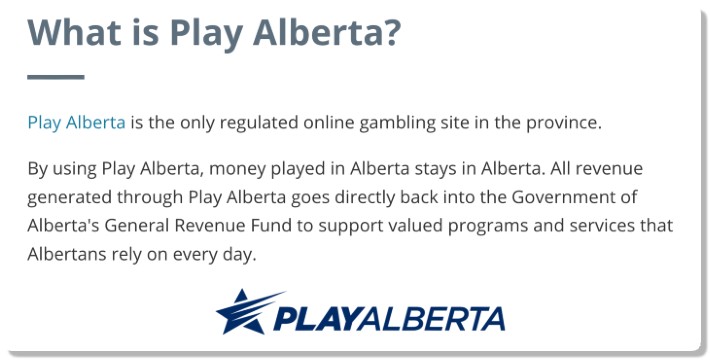
Presently, Albertans have a single locally regulated online gambling option – the government run Play Alberta which launched in 2020. But AGLC have long conceded that a majority of online bets in the province are made with offshore operators. Play Alberta’s gross gaming revenue for 2024 was $235 million. That’s less than half the estimated market.
Safeguards and Public Health Considerations
Central to the legislation are measures to address gambling-related harms. Mandatory age verification, spending limits, and self-exclusion tools will be required for all licensed platforms.
According to Nally, “It’s not a cash grab, and we’re not doing this with the aim to grow the market… We want Albertans who choose to gamble online to have the same kind of protections they have when they go to casinos”.
Horner stressed that protections are integral to the framework: “We’re not just opening the floodgates… robust protections will be embedded from day one.”
Public health advocates, however, warn that easier access to online gaming could exacerbate addiction rates. Mark Henick of the Alberta Alliance on Gambling Problems urged proactive investment in education and treatment programs, cautioning, “convenience often leads to higher risk…the government must invest in education and treatment alongside regulation.”
Implementation Timeline and Hurdles
The AGLC aims to launch the regulated market by mid-2025, pending legislative approval. A rather ambitious timeline given we’re almost there already and the legislation is yet to pass!
The Bill is also still to undergo committee reviews, with potential amendments to address stakeholder feedback, particularly around equity for Indigenous communities and addiction prevention.








Leave a Reply
Want to join the discussion?Feel free to contribute!