
Austria to Open its Online Casino Market
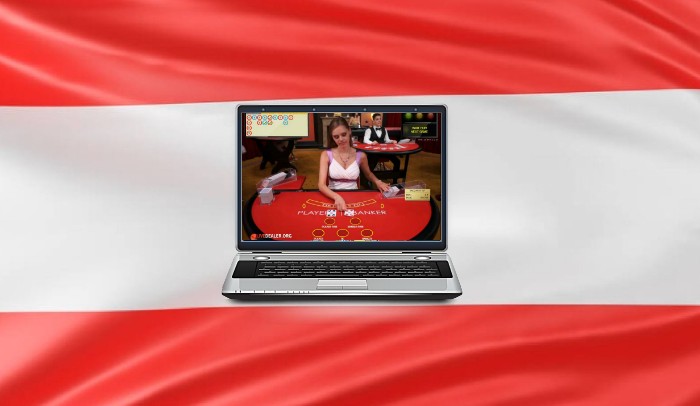
Austria, one of the EU’s most stubborn holdouts in iGaming liberalisation, looks like it’s finally on the path to an open market.
A leaked draft law from the Austrian Ministry of Finance reveals a major shift in the nation’s online gambling policy. The document outlines plans to dismantle the country’s long-standing single-operator monopoly and replace it with a regulated, multi-license framework for online casinos.
While this opens the market to international companies, the draft introduces strict operational rules and financial entry requirements that mirror some of the tightest regulatory frameworks in Europe.
Key Aspects of the Draft Law
The draft proposes a system that will allow an unlimited number of commercial online casino licenses, ending the exclusive rights previously held by current monopoly operator, Casinos Austria. These newly created concessions will be granted for an initial five-year term, with the possibility of a ten-year extension.
License holders will have to adhere to strict player protection measures heavily influenced by Germany’s interstate gambling treaty:
- Age-gated deposit limits
Weekly deposit thresholds are tied to player age. Users under 26 are restricted to a maximum deposit of €250 per week. For players aged 26 and older, the baseline limit is set at €1,680 per week, which can only be raised if the player provides clear proof of financial liquidity. - Wagering and payout restraints
The pace and scale of play are limited. Stakes are capped at a maximum of €2 per spin or game round. Additionally, single-game winnings cannot exceed €2,000, and progressive jackpots are prohibited. - Mandatory play breaks
Platforms must implement an automated 15-minute cooling-off period after a user completes 90 minutes of continuous play.
Before being awarded a license, operators will also be required to settle backdated tax and civil claim liabilities arising from any ‘grey market’ operations in Austria. More on this below.
About face on a long standing holdout
This draft represents a fundamental change in Austria’s approach to gambling regulation. For decades, the federal government has protected its domestic gambling market through a state-backed monopoly held by Austrian Lotteries via its online platform, Win2day. This arrangement is closely tied to state interests, as the government’s sovereign wealth fund, ÖBAG, maintains a 33% stake in Casinos Austria, the parent company of the monopoly holder.
For more than ten years, major European operators based in jurisdictions like Malta and Gibraltar have challenged this structure. They argued before both domestic and European courts that a single-concession monopoly violates European Union principles regarding the free movement of services. The Austrian government consistently defended its model, asserting that a monopoly was necessary to protect public health and prevent problem gambling.
As recently as late last year, internal policy discussions focused on maintaining the monopoly while increasing efforts to block unauthorised offshore websites. This leaked text indicates a clear policy reversal. By proposing a multi-license market, the government acknowledges the limitations of enforcement against offshore operators and is opting instead to bring them into a domestic regulatory system.
The Backdated Taxes Issue and Licensee Discouragement
Although the draft law removes the limit on the number of available licenses, it introduces financial conditions that will serve as a significant barrier to entry for many international operators. To qualify for a new license, applicants must resolve all historical financial liabilities within Austria.
This requirement involves two separate financial burdens:
- Civil claims settlements
Applicants must settle all outstanding domestic court judgments and active player lawsuits. Following a 2021 Austrian Supreme Court ruling that declared foreign online licenses invalid in Austria, local players have successfully sued offshore platforms to recover past gambling losses. - Backdated tax liabilities
Operators must retroactively pay Austria’s 45% gross gaming revenue (GGR) tax for the entire period they operated in the country without a local license.
For publicly listed European gambling groups, these clauses create a complex commercial decision.
Paying substantial retroactive taxes and legal settlements to enter a market restricted by €2 stake limits may not be economically viable. Smaller and mid-tier operators will likely find these financial burdens too onerous to justify participating.
Likely Timing of Introduction
Internal timelines suggest that the Finance Ministry has completed the drafting stage and intends to move the bill quickly through the political process. The government’s objective is to introduce the text into formal parliamentary debates and secure a vote before the legislative body recesses for the summer in July.
While the law may be passed mid-year, the full implementation of the new regulatory environment will take time. The draft specifies that market oversight will eventually transfer to a newly established, independent gambling authority. However, this agency is not projected to be fully operational until 2030.
During the transition period, the Ministry of Finance will manage the licensing process and enforce compliance. Given the financial implications of the retroactive tax demands, industry analysts expect the transition to a multi-license market to face administrative delays and potential legal challenges from operators well into next year.









Leave a Reply
Want to join the discussion?Feel free to contribute!