
Luck’s a Fortune: A look at lucky charms from around the world
Few would argue that luck doesn’t play an important role in all of our lives. Even the tech age’s poster boy for hard work, brilliance and general overachievement, Elon Musk, acknowledges its significance. “Luck is the best superpower”, he is quoted as saying.
The question then becomes, are there ways of inviting more luck into your world? Some say the harder you world the luckier you get. Others look to other methods.
Enter the wild and wacky world of good luck charms. From the mystical East to the quirky West, every culture has its own peculiar beliefs when it comes to summoning lady luck. Here’s a look at some of the better known talismans and how they came to be relied on as luck bringers.
Chinese lucky charms
In the vibrant tapestry of Chinese beliefs, red reigns supreme as the colour of good fortune. Red is connected to the Chinese fire element which represents life, vitality and light. No surprises there is a healthy smattering of red all across Chinese culture.
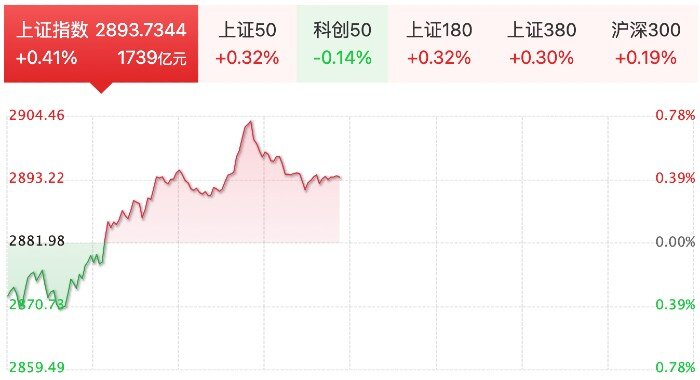
There are Red Envelopes and Red Lanterns to usher in the Lunar New Year. The national flag is red and China is the only country in the world where share markets show price gains in red and falls in green.
At the Shanghai Stock Exchange, it’s good to be in the red…
When it comes to numbers, it’s all about lucky number 8, a digit so prized it practically moonlights as a celebrity for its wealth-bringing prowess.
The dragon is also strongly believed to be a bringer of good fortune. Of the 12 signs of the Chinese zodiac, the Dragon is the only mythical creature and a symbol of authority, success and luck.
Throw together a combination of these powerful Chinese lucky charms and your chances of winning are almost assured. At least that’s what live casino providers would have you believe!
Ticking the auspicious boxes with dragons and red a plenty is Golden Wealth Baccarat….
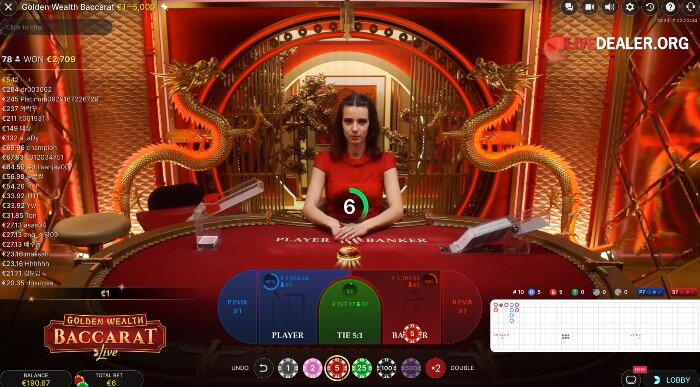
Golden Wealth Baccarat – Red, check. Dragon, check. Played at 888. Can’t lose
Japanese lucky charms
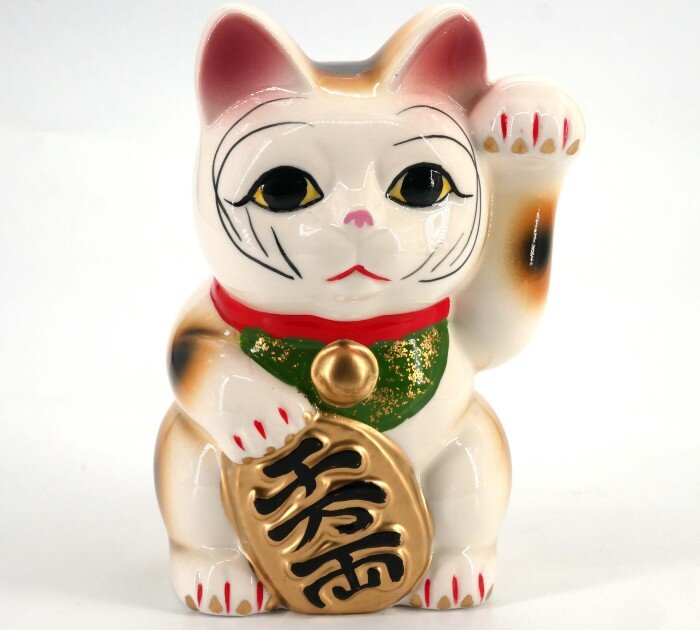
Over in Japan, the Maneki-Neko, or the beckoning cat takes centre stage.
Maneki-Neko is the original cat influencer, waving its paw to attract good luck and beckoning fortune into shops and gambling dens alike. The story of how Maneki-Neko came to be a symbol of good luck is a cute one and goes something like this.
A feudal lord was passing by a temple during a storm. Inside the temple was a cat, licking its paw and rubbing it behind an ear as cats do. The lord (clearly not familiar with standard cat behaviour) thought the cat was beckoning him to come inside, and took up the invitation.
Moments later, a lightning bolt struck the very spot where the lord had been standing before the cat had beckoned him inside. Grateful for the cat’s apparent life saving gesture, the lord became a benefactor of the temple. When the cat eventually died, a figurine was crafted in its likeness — the first Maneki-Neko. This figurine was placed at the temple and it became a symbol of good fortune and protection.
Korean lucky charms
In Korean culture, bamboo is considered a symbol of longevity and good fortune. Some Koreans believe that bamboo plants or decor can attract positive energy and prosperity.
Thai lucky charms
In Thailand, the sacred fig tree, the Bodhi tree, is not just a tree; it’s a wish-granting factory. Luck flows like sap in its branches, promising enlightenment and prosperity.
Indonesian lucky charms
Indonesians searching for good luck turn to the Keris or Kris. The keris is a traditional Javanese dagger characterised by its distinctive wavy blade holding significant cultural, spiritual, and historical importance in Indonesia. It is considered a symbol of power, protection, and good fortune. Many believe that owning or wearing a keris can bring luck and safeguard against negative energies.
Indian lucky charms
In the kaleidoscope of India’s cultural richness, elephants strut their stuff as symbols of wisdom and prosperity.
It’s commonly believed that keeping a statue or image of an elephant facing the entrance of a home or business brings prosperity. Better still are two elephants facing each other with trunks raised.
The only thing better than having an elephant in the room is having a statue of Ganesha, the elephant-headed deity. Ganesha is the ultimate VIP when it comes to summoning good luck.
Middle Eastern lucky charms
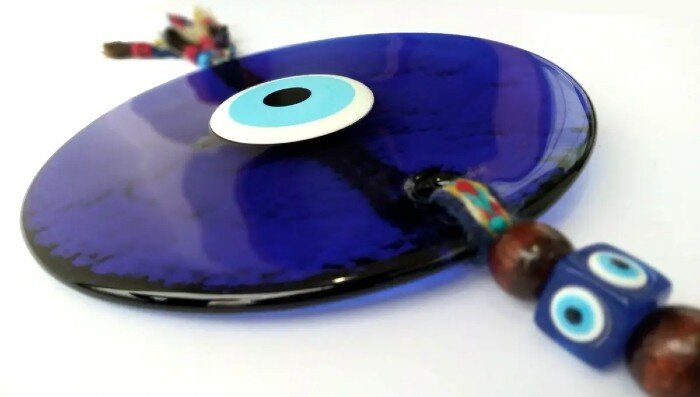
Warding off the evil eye is a serious business in the Middle East. Enter the evil eye amulets, eyeballs on a mission to stare down misfortune and bring some good luck in its place.
There’s also the Hamsa Hand, a five-fingered force field against negativity, showing that when it comes to good luck, more fingers are merrier.
African lucky charms
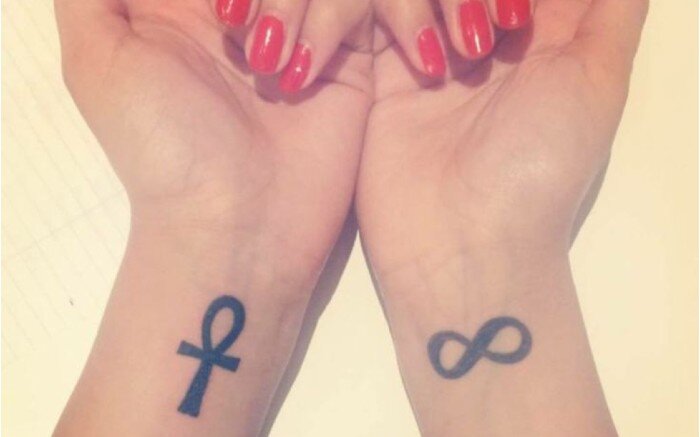
In ancient Egyptian culture, the ankh is a symbol of life and immortality. Shaped as a cross with a tear drop loop on top, it has become associated with good luck and prosperity in many parts of north Africa.
It’s also up there with Ying Yang, Infinity and Om as a popular tattoo choice (outside Africa).
Latin American lucky charms
In Latin America, chilli peppers spice up the luck game. Hanging these fiery charms outside homes turns up the heat on good vibes. For extra luck, the azabache charm is the ultimate accessory. It’s an onyx gemstone bracelet or necklace that is thought to ward off Mal De Ojo (the Evil Eye).
Irish lucky charms
For a peoples said to be inherently lucky (the luck of the Irish), the Irish certainly do find the need to arm themselves with plenty of lucky charms.
Chief among them are the four leaf clover, known the world over for its luck bringing properties and the shamrock. Only three leaves on the shamrock, but thought to be just as lucky.
If the lucky charms don’t do the trick they turn to their Guinness.
Other lucky charms
We in the West are not without are superstitions. A distinct lack of level 13s in high rise buildings is proof of this. Everyone knows, architects included, that 13 is an unlucky number. On the flip side, 7 is widely considered a lucky number.
Carrying a rabbit’s foot is considered a talisman for good luck. This belief likely has its roots in European folklore, where the rabbit was associated with fertility and abundance. The left hind foot of a rabbit is believed to be especially potent in bringing good fortune (although it didn’t do much for the rabbit it belonged to).
If carrying a dead animal’s appendage in your pocket isn’t your style, you can try using a horseshoe. No need to carry it with you. Rather hang it above a doorway with the ends pointing upward and it should bring good luck and protection from ill fortune. It’s a wonder the Horse Shoe Casino Las Vegas makes any money!






Leave a Reply
Want to join the discussion?Feel free to contribute!