
UKGC Publishes First Study into Illegal Online Gambling
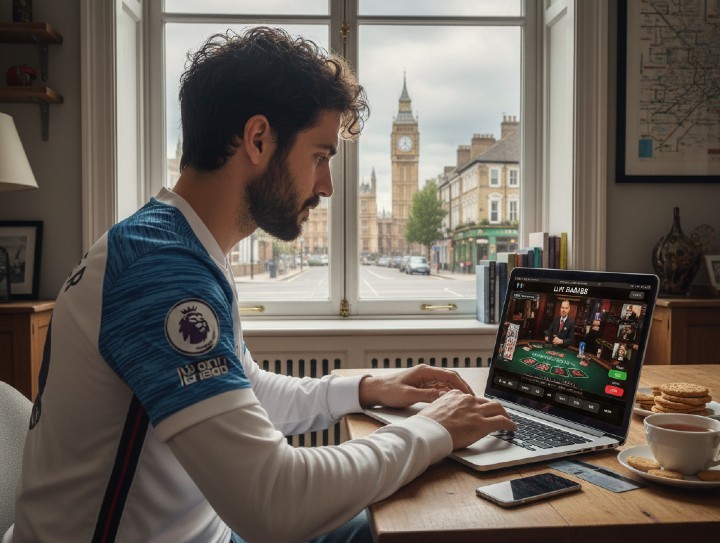
The UK Gambling Commission (the Commission) have published the first in a series of research reports into illegal online gambling in the UK. Along with yesterday’s report they have also announced the launch of their new Illegal Gambling Hub which will serve as the go-to resource for all things related to the unlicensed gambling market moving forward, from new research to updates on enforcement measures.
This all comes amid mounting industry disquiet that stringent regulations being applied to licensed operators to mitigate problem gambling are simply driving customers to unlicensed operators.
Licensed operators must adhere to KYC compliance requirements making account opening and funds withdrawal onerous, deposit option and turnover limits, restrictions on permitted promotions and mandatory self exclusion measures. Then of course there are turnover taxes that eat into a licensed operators ability to offer competitive odds and offers.
From a punters perspective a reputable offshore operator comes with hassle-free onboarding, more account funding flexibility, better offers, more products, better odds and no turnover limits. It’s no wonder there’s significant player ‘leakage’ into the unlicensed market. Some would argue the leak is more like a torrent.
This is what the Commission is trying to get their heads around.
Report 1 – Consumer awareness, drivers and motivations
‘Consumer awareness, drivers and motivations’ is the first of 4 planned reports and is all about understanding why players are finding it necessary to play with unlicensed operators, as well as who these players are.
In conjunction with Yonder Consulting, over 1,000 gamblers were surveyed with some participating in follow-up interviews to get a better understating of their interaction with illegal online gambling sites. Interestingly, there was no use of the phrase ‘illegal online gambling’ during the process, with ‘unlicensed online gambling’ substituted to encourage more open dialogue.
Those found to be playing regularly at unlicensed sites fell into one of four identified categories.
- Self Excluders
This group had registered with GAMSTOP to self-excluded from all licensed gambling providers. On deciding they wanted to gamble, they had then actively sought out operators not subject to self-exclusion regulations. Turns out there’s a thriving SEO and social media marketing channel for the term ‘not on GAMSTOP’. Clearly this cohort and complete awareness that they were seeking unlicensed gambling options. - Skilled Advocates
Also largely aware that they were playing with unlicensed operators are the Skilled Advocates. This group were seeking better odds, better offers, no turnover restrictions or more account funding flexibility. The desire to use cryptocurrency for deposits and withdrawals was a common motivation. - Social Explorers
This group were often unaware that they were a customer of an unlicensed operator, having being introduced to it via social media, discussion forums or other community-type websites like Reddit. The primary motivation for choosing the operator is based on recommendations or advice on, for example, where to find the best odds. - Accidental Tourists
Accidental Tourists are also largely unaware of the license status of their chosen operator, having arrived at the website while searching for area of interest, usually via a search engine or site like Youtube. Accidental tourists may have been searching for how or where they can bet on a certain sporting event or casino game with little thought for the provider’s license status.
Both Social Explorers and Accidental Tourists were more likely to have a cautious and moderated approach to their gambling. Self Excluders and Skilled Advocates not so much.
Reports 2, 3, and 4
Report 2, titled ‘Engagement data and trends’ is due to be released before year’s end. The first report sheds light on the who and the why. Report 2 will be more about the how much, which should make for interesting reading. Although the Commission has already conceded that reliable data outside the regulated market will be hard to come by.
Another focus of the second report is the question of how gamblers respond to regulation change to get a better sense of the extent to which such changes can drive them to unlicensed operators.
Reports 3 and 4 aren’t expected until next year.









Leave a Reply
Want to join the discussion?Feel free to contribute!